
Robotics & Physical AI
Machines that perceive, decide and act
Motors and actuators, sensors, embedded computing, computer vision and machine learning: we build robots and intelligent machines that work in the physical world.
Robotics
Mechatronics with a brain
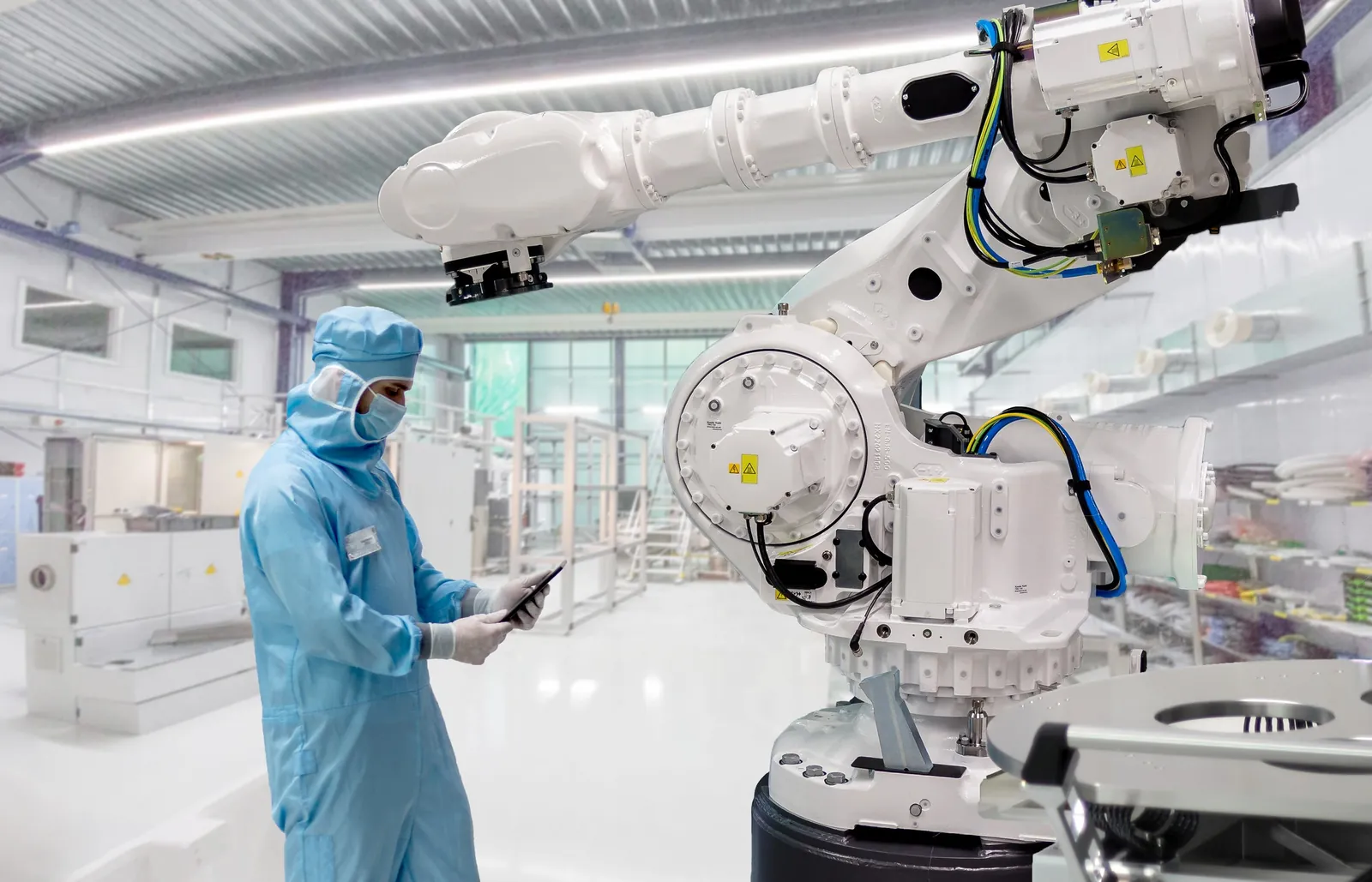
Robotics brings every discipline together: mechanics, power electronics, motor control, sensors, real-time software and perception. We integrate them into prototypes that can be tested and improved quickly.
For perception and decision, we use ROS, OpenCV and machine-learning tools such as Keras, on embedded platforms or FPGA when real-time processing is required.
Physical AI
When artificial intelligence gets a body
Physical AI is artificial intelligence that perceives the real world through sensors and acts on it through motors and actuators. It powers robots, autonomous machines, smart instruments and assistive devices — and it must be fast, robust and safe.
Perception
Cameras, depth and distance sensors, IMUs and force sensors interpreted by vision and AI models.
Sensor fusion
Combining several sensors to estimate position, motion and context reliably.
Decision & control
Embedded models and control loops that turn perception into precise, real-time action.
Learning & simulation
Data collection, training, simulation and tests on the real machine to close the gap between lab and field.
Human–robot interaction
Collaborative behaviour, intuitive interfaces and assistance to the operator.
Safety & reliability
Safety functions, fail-safe behaviour and validation, considered from the design stage.
Capabilities
What we design
Motion control
Electric motors, drivers, actuators and closed-loop control.
Sensing
Accelerometers, encoders, distance sensors and cameras.
Computer vision
Image processing and recognition with OpenCV, on embedded targets.
AI & machine learning
Model prototyping with Keras and Python, deployment on edge hardware.
ROS integration
Robot software architecture, nodes, simulation and tooling.
Safety
Safety functions and procedures considered from the design stage.
How we work
From need to validated design
Concept
Tasks, environment, safety and performance targets.
Architecture
Mechatronic architecture, actuators, sensors, computing platform.
Demonstrator
A first robot that moves and senses, to validate the concept.
Iteration
Tests, measurements and improvements towards the next version.
Project examples
Related projects
Robotics
Robot prototype: motion, sensing and computer vision
Development of a robotic prototype combining motor control, sensors, embedded computing and a vision pipeline, from the electronic boards to the control software.
A working demonstrator used to validate the concept and prepare the next design iteration.
AI · Embedded vision
AI inference on an FPGA system-on-chip
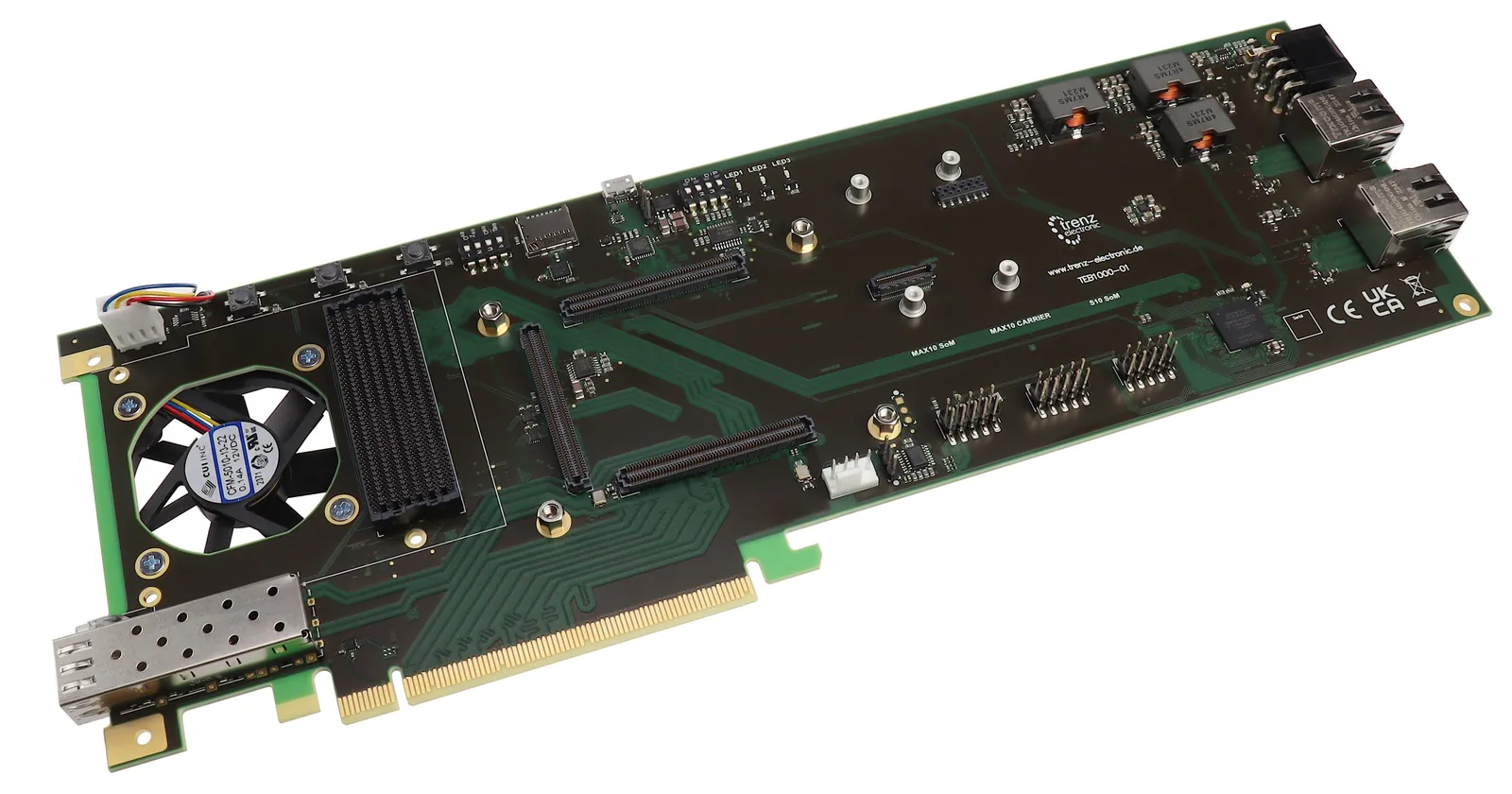
Embedded and digital electronics design to run an AI processing chain on a Xilinx Zynq SoC, sharing the work between the ARM cores and the programmable logic.
Real-time processing on a compact, low-power platform, without a cloud connection.

SportTech · Playground safety
Head-impact test equipment for playground safety (EN 1177)
Technical expertise and improvement of the electronics of test and measurement equipment used to check the safety of playgrounds and sports facilities, in particular instrumented impact heads used to measure the critical fall height according to EN 1177.
Detailed product specifications (50+ pages) written for HIC (Head Injury Criterion) test equipment compliant with EN 1177:2008, and test procedures defined and corrected.
FAQ
Good to know
Do you design the mechanics too?
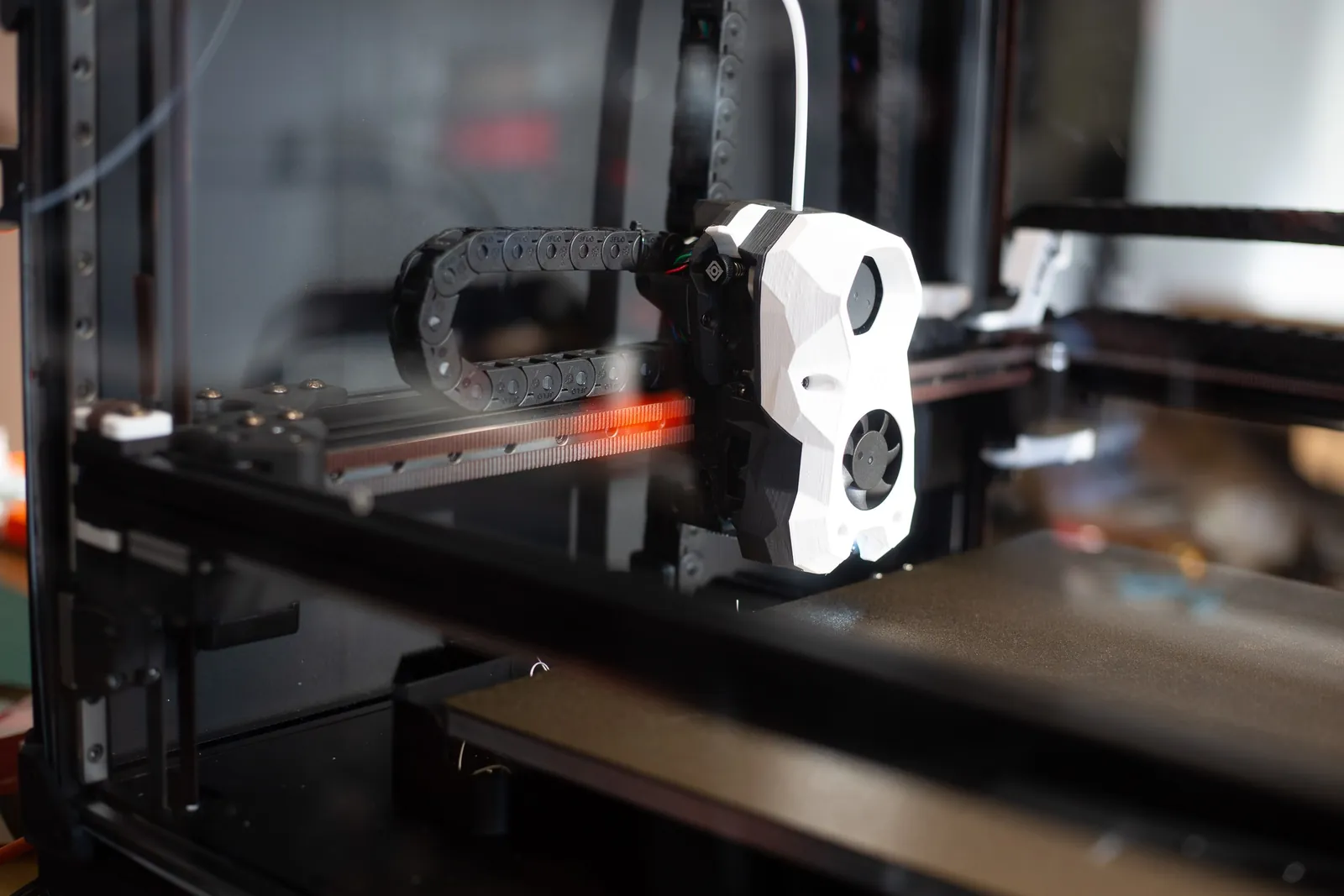
We define the mechatronic architecture and work with mechanical partners and 3D printing for parts and structures.
Can AI run without the cloud?
Yes. We deploy models on embedded processors or FPGA to process data locally, in real time and without sending it outside.
What is the difference between AI and Physical AI?
Classic AI works on data and text. Physical AI closes the loop with the real world: it senses, decides and moves, under real-time, energy and safety constraints. That is why it needs electronics, embedded software and robotics expertise as much as data science.
Let’s talk about your project
Describe your need in a few lines: we reply with a first technical analysis and a proposal.