
AI & Edge AI
Artificial intelligence where the data is born
AI in embedded systems, intelligent sensors and Physical AI: we design products that analyse data locally, in real time, on microcontrollers, embedded processors and FPGA.
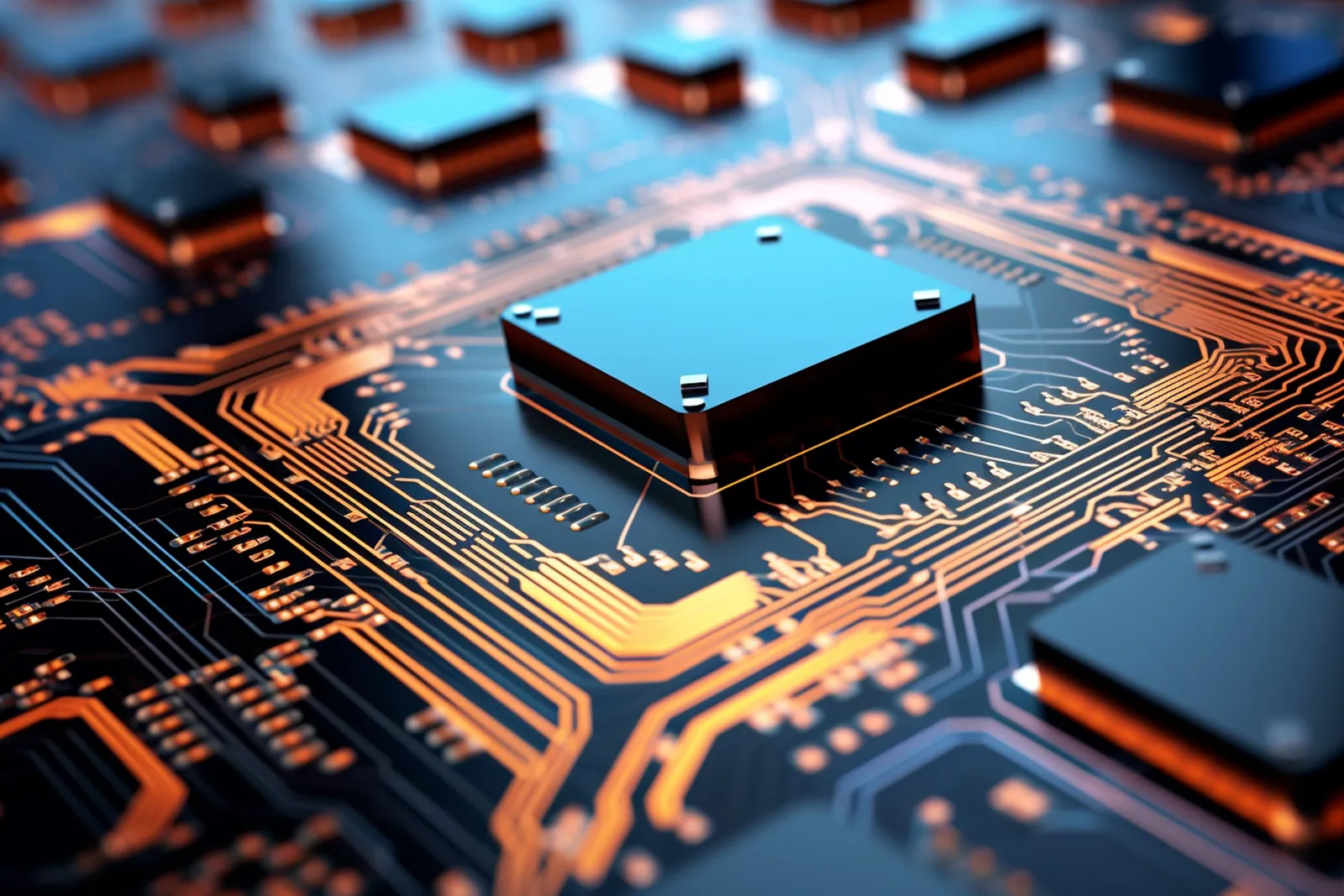
Embedded AI
Smarter devices, without the cloud
Running AI directly in the device — at the edge — changes what a product can do: it reacts in milliseconds, works without a connection, keeps sensitive data local and consumes far less energy and bandwidth than sending everything to a server.
Because we design the electronics, the firmware and the models together, we choose the right hardware for the right model, and the right model for the hardware you can afford.
- Real-time response, even offline
- Privacy: raw data never leaves the device
- Low power: months or years on a battery
- Lower cost: less data to transmit and store
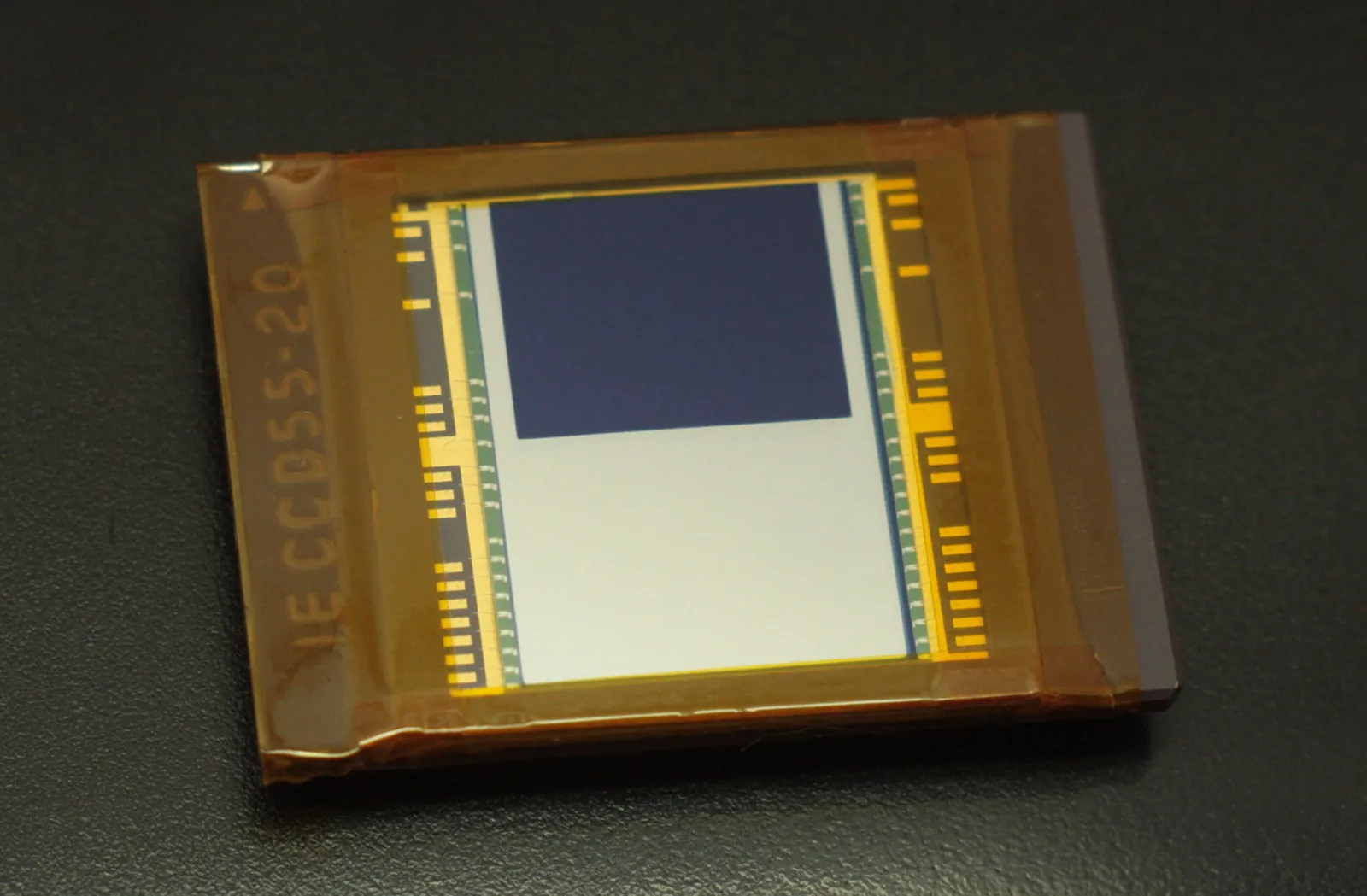
AI sensors
Sensors that understand what they measure
An AI sensor does not just send raw values: it recognises patterns and reports events. Combined with low-power electronics, it enables new products and new services.
- Vibration and current analysis for predictive maintenance
- Impact, fall and gesture detection with accelerometers
- Sound event recognition and acoustic monitoring
- Embedded vision: presence, counting, inspection
- Anomaly detection on any physical signal
Platforms
The right hardware for each model
Microcontrollers (TinyML)
Compact models on ARM Cortex-M and similar MCUs, for always-on sensing on a battery.
Embedded processors
ARM application processors, embedded Linux, Raspberry Pi and boards with AI accelerators (NPU).
FPGA & SoC
Hardware acceleration on Xilinx Zynq for deterministic, high-throughput inference.
Trustworthy AI
AI you can explain, test and certify
AI in a product must be reliable and documented. We build data sets, tests and documentation from the start, in line with the requirements of the European AI Act and the sector regulations that apply to your product (medical, machinery, automotive).
Capabilities
What we design
Data collection
Instrumented prototypes and acquisition campaigns to build representative data sets.
Model design
Classification, detection and anomaly-detection models built and trained with Python and Keras.
Optimisation
Quantisation, pruning and conversion so the model fits the memory and power budget.
Deployment
Integration in the firmware, on MCU, embedded Linux or FPGA, with real-time constraints.
Computer vision
OpenCV pipelines combined with neural networks on embedded targets.
Validation
Tests on real data, robustness checks, performance and consumption measurements.
How we work
From need to validated design
Use case & data
What should the device recognise, with which sensors, and what data is available.
Model & hardware
Model and platform chosen together, to meet accuracy, latency, power and cost targets.
Embedded prototype
The model runs on the target hardware and is tested in real conditions.
Industrialisation
Documentation, test procedures and update strategy for the product life.
Project examples
Related projects
AI · Embedded vision
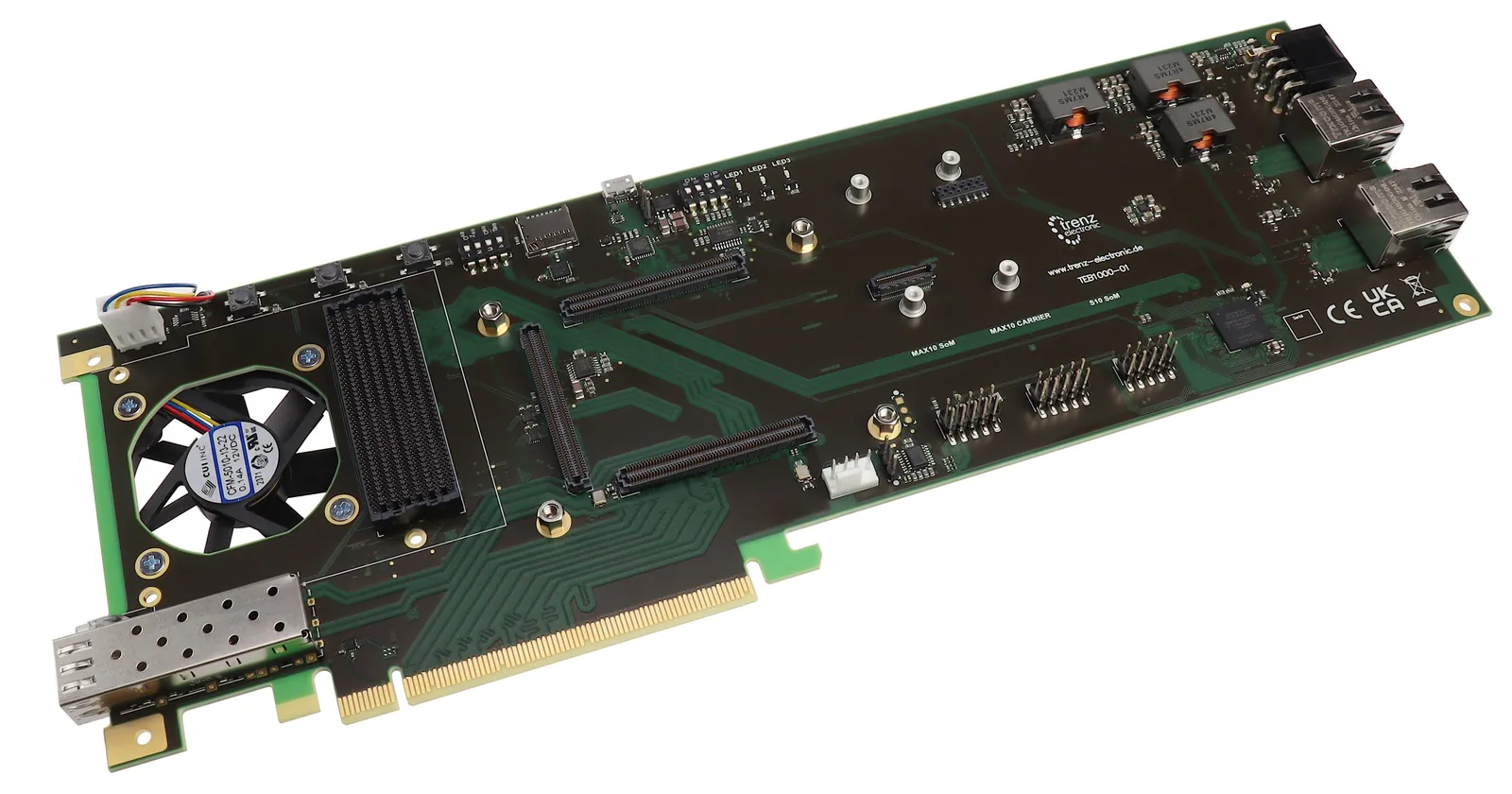
AI inference on an FPGA system-on-chip
Embedded and digital electronics design to run an AI processing chain on a Xilinx Zynq SoC, sharing the work between the ARM cores and the programmable logic.
Real-time processing on a compact, low-power platform, without a cloud connection.
Robotics
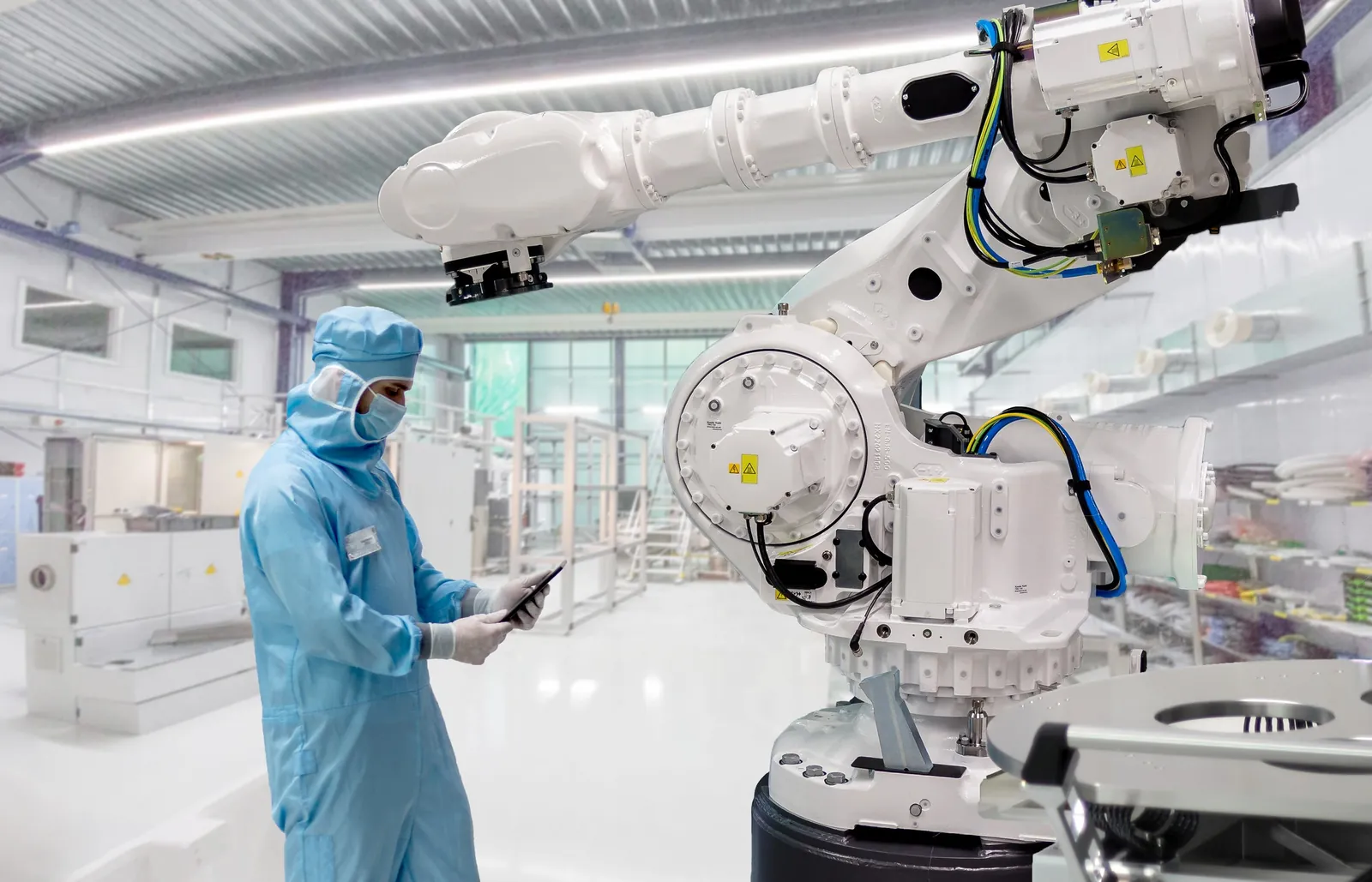
Robot prototype: motion, sensing and computer vision
Development of a robotic prototype combining motor control, sensors, embedded computing and a vision pipeline, from the electronic boards to the control software.
A working demonstrator used to validate the concept and prepare the next design iteration.
FAQ
Good to know
Do I need a lot of data?
Not always. Many sensor applications work with modest data sets, collected with an instrumented prototype. We assess the need at the start of the project.
Can AI run on a small microcontroller?
Yes, for well-defined tasks such as detecting an event in a vibration, sound or motion signal. More demanding tasks such as vision need an embedded processor, an accelerator or an FPGA.
What about the European AI Act?
Obligations depend on the use of the AI and the risk category of the product. We help you document data, tests and risk management so that your file is ready for the conformity assessment.
Let’s talk about your project
Describe your need in a few lines: we reply with a first technical analysis and a proposal.